


Have you ever wondered why people continue to gamble even after experiencing loss after loss? If you’ve spent any time watching a blackjack table or staring at a slot machine, you’ve probably seen it happen. A player experiences a streak of bad luck but keeps betting, hoping their next hand or spin will be the one to turn everything around. It’s a fascinating phenomenon, and one rooted deep in psychology.
Let’s dig into the weird, wonderful, and sometimes wacky ways our brains play tricks on us when it comes to risk and reward. Spoiler alert: casinos aren’t just lucky, they’re playing to your neural wiring!
The Thrill of the Chase
First things first, humans love risk. It’s primal. Taking risks has always been a part of survival, from hunting prey to exploring new environments. The same thing happens when you’re gambling, but instead of survival, you’re chasing a reward (a jackpot, perhaps?). The brain releases dopamine, a feel-good chemical, every time there’s a chance of a reward, even if you don’t win.
Yes, you read that right, your brain rewards you for merely having the possibility of winning. It’s basically your brain saying, “Ooh, this could get exciting!” And that dopamine surge can be so powerful, it makes us want to keep pushing forward, even when we’re losing.
Loss Aversion and the Need to Recoup
Another psychological quirk at play is loss aversion. This concept is simple, it hurts more to lose something than it feels good to gain something. When gamblers lose, it’s not just about the money; it’s about the need to correct what feels like an imbalance, to “win back” what was lost.
Casinos know this mentality, and they encourage it subtly through things like “cashbacks” or free spins after losses. These small incentives feed the notion that you’re “on your way to recovering.” But the reality? It’s often a trap designed to keep you at the table longer.

Near Misses Are Not Wins (But Your Brain Thinks They Are!)
Here’s a fun fact for you, when gamblers experience a near miss, like getting two cherries on a slot machine but missing the jackpot by a single spin, the brain lights up almost the same way as it does for an actual win. Why? Because near misses fuel hope. They make you think, I was so close! If I keep going, I’ll get it next time!
Slot machines, in particular, are designed to create these near misses. It’s no accident that they make you feel like you’re on the verge of striking it rich. Psychologists refer to this as the “near-miss effect,” and it can be a powerful motivator to keep gambling.
The Gambler’s Fallacy
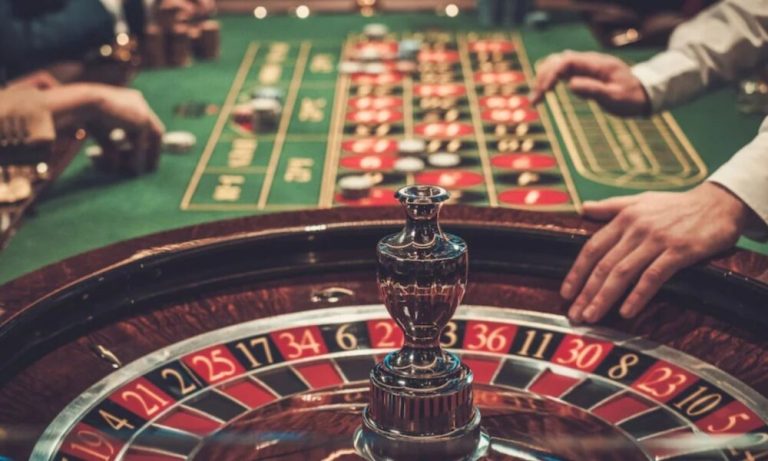
Ah, the gambler’s fallacy, a classic. This is the belief that if something happens repeatedly, the opposite outcome is more likely to occur soon. For example, if a roulette wheel lands on red five times in a row, many players start to believe that black is “due” to show up. Spoiler alert, it’s not! The wheel has no memory. Each spin is entirely independent, but the illogical belief that luck is “on the way” keeps players betting.
Casinos don’t need to tell you otherwise, because your own optimism (or perhaps misplaced confidence?) does all the work for them.
The Role of Social Proof
Ever noticed how many people gather around a winning table? It’s not just good luck; it’s social proof in action. We’re wired to look at others for cues on what to do, especially in uncertain situations. When you see someone else celebrating a win, the message your brain receives is, if they can win, so can I!
This sense of camaraderie and shared excitement keeps players engaged, often leading to more bets being placed. Don’t underestimate the power of group behavior, it’s as infectious as it is intentional in casino environments.
How to Outthink the System?
Now that we’ve unraveled why gamblers keep betting after losses, how can you protect yourself from falling into the same psychological traps? Here are a few fun and easy tips:
- Set a Budget: Decide in advance how much you’re willing to lose and think of it as the cost of entertainment. Treat gambling like paying for a night out at the movies or a theme park, once you hit your limit, the fun ends.
- Take Frequent Breaks: Step away from the table or machine to reset your perspective. A short breather can help clear your head and curb impulsive decisions.
- Remind Yourself of the Odds: The house almost always has the edge, know that going in, and don’t expect to walk away as a winner every time.
- Celebrate the Small Wins: If you do end up winning, consider walking away with your profit, even if it’s small. You’ll leave on a high note rather than chasing losses.
Conclusion
Gambling is a complex mix of psychology, chance, and human behavior. The excitement, hope, and drive to win are all natural feelings, but understanding the underlying reasons can give you an edge. Remember, casinos design their games to capitalize on your brain’s instincts, but you don’t have to fall for it. Play for fun, set limits, and know when to call it a night. After all, the real victory is staying in control.
Leave a Comment