


Have you ever sat down at the card table, shuffled the deck, and wondered what makes a good card game feel so satisfying? Well, spoiler alert, it’s not all just luck or clever strategies. One of the most overlooked yet critical elements of any successful card game is fairness. Yep, fairness is the secret sauce that keeps players coming back for more, turn after turn, game night after game night.
But what does fairness mean in a card game, anyway? Does it mean everyone has an equal chance of winning at all times? Not exactly. Fairness in card games is about more than just balancing the odds, it’s about creating a level playing field where skill, strategy, and even a little luck can shine through.
Let’s break it down!
What Is Fairness in a Card Game?
Fairness in a card game doesn’t mean that the most skilled player wins every single round. After all, where’s the fun in that? Instead, fairness ensures every player has a shot at success. Even newcomers should be able to sit down and have a chance to win, while seasoned players can still use their expertise to tip the odds in their favor.
Fairness involves several key factors:
- Randomized Outcomes: Shuffling and dealing the cards in a truly random manner ensures no one knows what’s coming next. This unpredictability keeps the game exciting and fair for everyone.
- Balanced Mechanics: The rules, card values, and game mechanics should work together to prevent any single player or card from having too big of an advantage.
- Clear Rules: Everyone plays by the same rules, which should be easy enough to learn yet deep enough to keep everyone engaged.
Think of fairness as the glue that holds the entire structure of a card game together. Without it? Chaos. Nobody likes playing a game where they feel destined to lose before it even begins!

Randomness vs. Fairness
Okay, we need to talk about the elephant in the room, randomness. Because while randomness is a big part of how card games work, it doesn’t guarantee fairness all on its own. Randomness is just the shuffle, the dice roll, or the luck of the draw. Fairness, on the other hand, ensures randomness doesn’t derail the experience.
Picture this: You’ve been dealt a terrible hand, and every card you draw makes things worse. Frustrating, right? But then, in the next round, the tables turn, and suddenly you’re holding a winning hand. That’s fairness balancing out randomness. It’s what stops card games from feeling like a total free-for-all.
Why Fairness Keeps Players Coming Back
Alright, imagine this scenario: You’re playing a new card game with friends. By some fluke, one player gets a wildly overpowered hand every round, and they keep slaughtering the rest of you. Fun for them? Sure. Fun for you and everyone else? Not so much.
A fair card game prevents this kind of scenario by maintaining balance and inclusivity. Here’s why that’s so important:
1. Inclusiveness Levels the Playing Field
Fair games don’t leave newcomers sitting in the dust. They allow everyone to feel like they’re in the running, even if they’re still learning the ropes. Awesome experiences are built on shared fun, and fairness is what makes that possible.
2. Sustainable Fun
If one player consistently dominates thanks to unfair mechanics, the rest of the group will lose interest pretty quickly. By fostering fairness, card games ensure long-term enjoyment for everyone involved.
3. Encourages Strategic Growth
Fair play encourages players to improve their skills and experiment with strategies. It rewards clever gameplay while buffering just enough randomness to keep things unpredictable.
What Designers Can Do to Ensure Fairness
Creating a fair card game isn’t something that happens by accident. Game designers work hard behind the scenes to fine-tune balance, randomness, and player experience. Here are a few ways they make it work:
- Well-Balanced Cards and Abilities: Game creators test and tweak card values to ensure nothing feels too strong or too weak.
- Shuffling Algorithms: Some card games use advanced algorithms (especially in digital formats) to ensure true randomness in shuffling and dealing.
- Playtesting: Designers playtest their games countless times with a variety of people to iron out any unfair mechanics or loopholes.
Fun fact: Some board and card games even go through years of playtesting to get everything just right, talk about dedication!
What You Can Do to Promote Fairness at the Table
Maybe you’re not designing card games, but as a player, you can still contribute to creating a fair and fun experience for everyone. Here’s how:
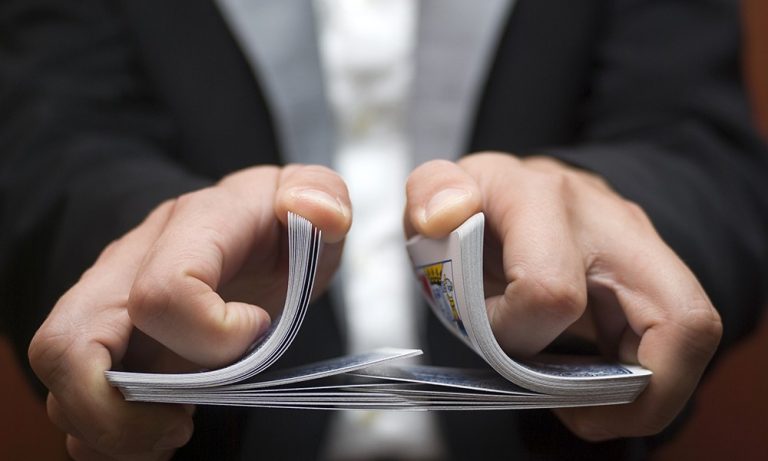
1. Shuffle Like a Pro
A good shuffle can be the difference between a fair game and one where you accidentally clump all the best cards together. Practice those pro shuffling moves!
2. Stick to the Rules
Rules exist for a reason, so everyone’s playing the same game. Make sure you’re clear on the rules and enforce them equally.
3. Be a Good Sport
Fair play includes respecting your fellow players, win or lose. Celebrate victories and laugh off defeat, after all, it’s just a game!
Conclusion
Fairness is the not-so-secret ingredient that makes card games endlessly enjoyable, no matter who’s at the table. It’s what keeps us all coming back, pulling up a chair, and shuffling the deck for “just one more round.” By balancing randomness, supporting inclusivity, and rewarding strategy, fair card games create moments of surprise, laughter, and connection.







Leave a Comment